Deco Serif: A Timeless Typographic Choice for Modern Design
Deco Serif is a distinctive typeface that blends the elegance of traditional serif fonts with the boldness of decorative elements. Its unique characteristics make it a popular choice for designers, marketers, and content creators looking to add visual interest and sophistication to their work. Whether you're designing a logo, crafting a website, or creating print materials, Deco Serif offers a versatile solution that can elevate your design projects.
This article explores what Deco Serif is, how it can be used effectively, and the practical benefits it brings to different design scenarios. By understanding its strengths and limitations, you can determine if it's the right choice for your specific needs.
Understanding Deco Serif: What Makes It Unique
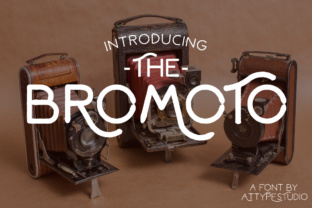
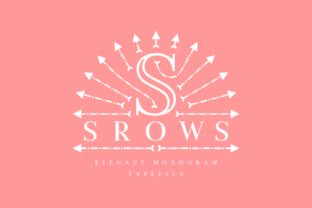
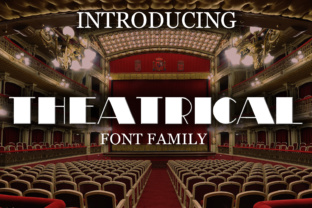
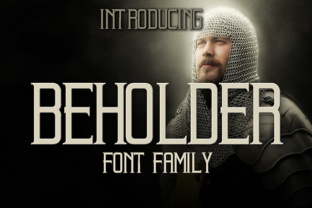
Deco Serif is a font that combines the classic structure of a serif typeface with decorative flourishes and geometric influences. Unlike standard serifs like Times New Roman or Georgia, which are more subdued and traditional, Deco Serif incorporates stylized elements that give it a more artistic and eye-catching appearance. These features often include extended serifs, intricate details, and a sense of movement that sets it apart from other typefaces.
The name "Deco" refers to its association with the Art Deco movement, which was prominent in the early 20th century. This style is characterized by bold lines, symmetry, and a focus on luxury and modernity. Deco Serif captures this essence, making it ideal for designs that aim to convey a sense of sophistication, creativity, or historical flair.
Challenges and Goals: When Deco Serif Can Make a Difference
Designers and content creators often face challenges when trying to balance aesthetics with readability. In some cases, using overly decorative fonts can make text difficult to read, especially at smaller sizes. However, Deco Serif is designed with these concerns in mind, offering a level of clarity that allows it to be used effectively in both large and small formats.
One common goal for designers is to create a strong visual identity that stands out while remaining professional. Deco Serif can help achieve this by providing a distinctive look without sacrificing legibility. For instance, businesses looking to differentiate themselves in competitive markets may find that Deco Serif adds a unique touch to their branding, making their materials more memorable.
Practical Applications of Deco Serif
Deco Serif is particularly well-suited for applications where visual appeal is important. Here are a few examples of how it can be used:
- Logo Design: Deco Serif can add a refined and artistic touch to logos, especially for creative industries such as fashion, art, or entertainment.
- Headlines and Titles: Using Deco Serif for headlines can draw attention and set the tone for a piece of content, whether it's a magazine article, website page, or social media post.
- Print Materials: From business cards to brochures, Deco Serif can enhance the visual impact of printed materials, giving them a polished and professional look.
- Web Design: When used appropriately, Deco Serif can add character to websites, especially for brands that want to convey a sense of creativity or heritage.
However, it's important to use Deco Serif strategically. Overusing it across an entire document can lead to a cluttered appearance, so it's best reserved for key areas where visual impact is most needed.
How Different Users May Approach Deco Serif
Users may approach Deco Serif in different ways depending on their goals and design preferences. For example:
- Graphic Designers: They might use Deco Serif to create visually striking compositions that highlight the font's decorative elements while maintaining a clean layout.
- Branding Professionals: These individuals may incorporate Deco Serif into brand guidelines to establish a consistent and recognizable visual identity.
- Content Creators: Bloggers and social media managers might use Deco Serif for headlines or featured sections to catch the reader's attention and add a touch of personality.
- Web Developers: They could integrate Deco Serif into a site's design to enhance the user experience, ensuring that it complements other design elements without compromising performance.
Each of these users will have different considerations when working with Deco Serif, such as font licensing, cross-platform compatibility, and accessibility standards. Understanding these factors can help ensure that the font is used effectively and responsibly.
Recommendations and Considerations for Using Deco Serif
If you're considering using Deco Serif in your design projects, here are some recommendations to keep in mind:
- Choose the Right Weight and Style: Deco Serif comes in various weights and styles, such as regular, bold, or italic. Selecting the appropriate variant can help maintain readability and visual harmony.
- Pair It with Complementary Fonts: To avoid overwhelming the design, pair Deco Serif with simpler, more neutral fonts for body text or secondary elements.
- Test It Across Different Formats: Ensure that Deco Serif looks good on both digital and print media, and test it at different sizes to confirm its legibility.
- Consider Licensing and Availability: Before using Deco Serif in commercial projects, verify that you have the proper license and that the font is available through reliable sources.
By following these guidelines, you can maximize the effectiveness of Deco Serif while avoiding common pitfalls associated with its use.
Conclusion: Embracing Deco Serif for Creative Expression
Deco Serif offers a powerful combination of style and functionality, making it a valuable tool for designers, marketers, and creatives seeking to enhance their visual output. Its ability to blend tradition with modernity allows it to fit into a wide range of design contexts, from corporate branding to artistic expression.
Whether you're looking to create a striking logo, design a compelling website, or produce eye-catching print materials, Deco Serif can provide the visual flair you need. By understanding its strengths and applying it thoughtfully, you can unlock new possibilities for your design projects and achieve a more distinctive and impactful result.