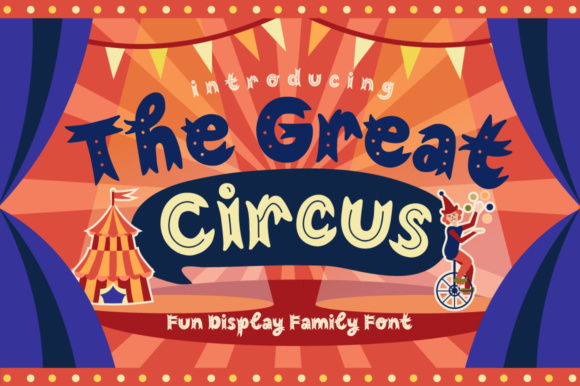
The Great Circus: A Timeless Celebration of Wonder and Skill
The Great Circus has long been a symbol of entertainment, creativity, and human ingenuity. From its humble beginnings in the 19th century to its modern-day spectacle, the circus continues to captivate audiences of all ages. This article explores the history, purpose, and significance of the Great Circus, shedding light on how it remains relevant in today's world.
A Brief History of the Great Circus
The origins of the circus can be traced back to ancient Rome, where chariot races and acrobatic performances were held in large arenas. However, the modern circus as we know it began in the late 18th century. In 1768, Philip Astley, a British equestrian, opened the first circus ring in London, which became a popular venue for horseback riding and acrobatics. Over time, the circus evolved into a multifaceted performance art that combined elements of magic, comedy, and athleticism.
By the 19th century, the circus had become a global phenomenon. Companies like the Ringling Bros. and Barnum & Bailey Circus brought together performers from around the world, creating a traveling spectacle that dazzled audiences. These circuses were not just about entertainment; they also played a role in cultural exchange, showcasing diverse talents and traditions.
The Purpose and Significance of the Circus
The primary purpose of the circus is to entertain, but its significance goes beyond mere amusement. The circus has always been a space for innovation, where performers push the boundaries of what is possible. From tightrope walking to fire breathing, each act requires years of training, discipline, and courage. The circus serves as a reminder of the human spirit's ability to overcome challenges and achieve greatness.
In addition to its artistic value, the circus has also been a platform for social change. Historically, circuses provided opportunities for marginalized groups, including women and people of color, to gain visibility and recognition. Today, many contemporary circuses continue this legacy by promoting inclusivity and diversity in their performances.
The Circus in Modern Life
While the traditional circus may have declined in popularity in some regions, its influence can still be seen in various aspects of modern life. From theme parks to television shows, the circus's spirit of adventure and wonder lives on. For example, the Cirque du Soleil has redefined the circus experience by blending theatrical storytelling with acrobatics, attracting audiences who might not typically attend a traditional circus.
Moreover, the circus has found a place in education and personal development. Many schools and community centers now offer circus-based programs that teach children valuable skills such as teamwork, confidence, and physical coordination. These programs are not only fun but also help students build resilience and creativity.
Circus in Technology and Innovation
The integration of technology has further expanded the possibilities of the circus. Modern performances often incorporate special effects, digital projections, and interactive elements to enhance the audience experience. For instance, some circuses use augmented reality to create immersive environments that transport viewers into fantastical worlds.
Additionally, the circus has inspired innovations in other fields. Engineers and designers have drawn inspiration from circus acts to develop new forms of movement and performance. In the realm of robotics, for example, researchers have studied acrobatic movements to improve the agility and flexibility of robots.
Common Misconceptions About the Circus
Despite its rich history and cultural significance, the circus is often misunderstood. One common misconception is that it is solely a form of children's entertainment. While the circus certainly appeals to younger audiences, it also attracts adults who appreciate its artistry and complexity. Many contemporary circuses cater to a wide range of age groups, offering performances that are both entertaining and thought-provoking.
Another misconception is that the circus relies on animals for its acts. While some traditional circuses did use animals, many modern circuses have moved away from this practice, focusing instead on human performers. This shift reflects a growing awareness of animal welfare and ethical considerations in entertainment.
The Future of the Circus
As society continues to evolve, so too does the circus. The future of the circus lies in its ability to adapt and innovate while preserving its core values. With the rise of digital media and virtual experiences, circuses are exploring new ways to engage audiences. Online streaming, virtual reality, and interactive platforms are opening up new possibilities for reaching global audiences.
Furthermore, the circus is becoming more accessible through community initiatives and grassroots efforts. Local circuses and street performers are bringing the magic of the circus to neighborhoods, making it a more inclusive and democratic form of entertainment. This trend highlights the enduring appeal of the circus and its ability to connect people across different backgrounds and cultures.
Conclusion
The Great Circus remains a powerful symbol of creativity, resilience, and human connection. Its history is a testament to the enduring appeal of live performance and the limitless potential of the human spirit. Whether through traditional acts or modern innovations, the circus continues to inspire and entertain, reminding us of the joy and wonder that come from pushing the boundaries of what is possible.
For those seeking a deeper understanding of the circus, exploring its history, culture, and impact can provide valuable insights into the role of performance in society. As the circus continues to evolve, it will undoubtedly remain a source of fascination and inspiration for generations to come.